

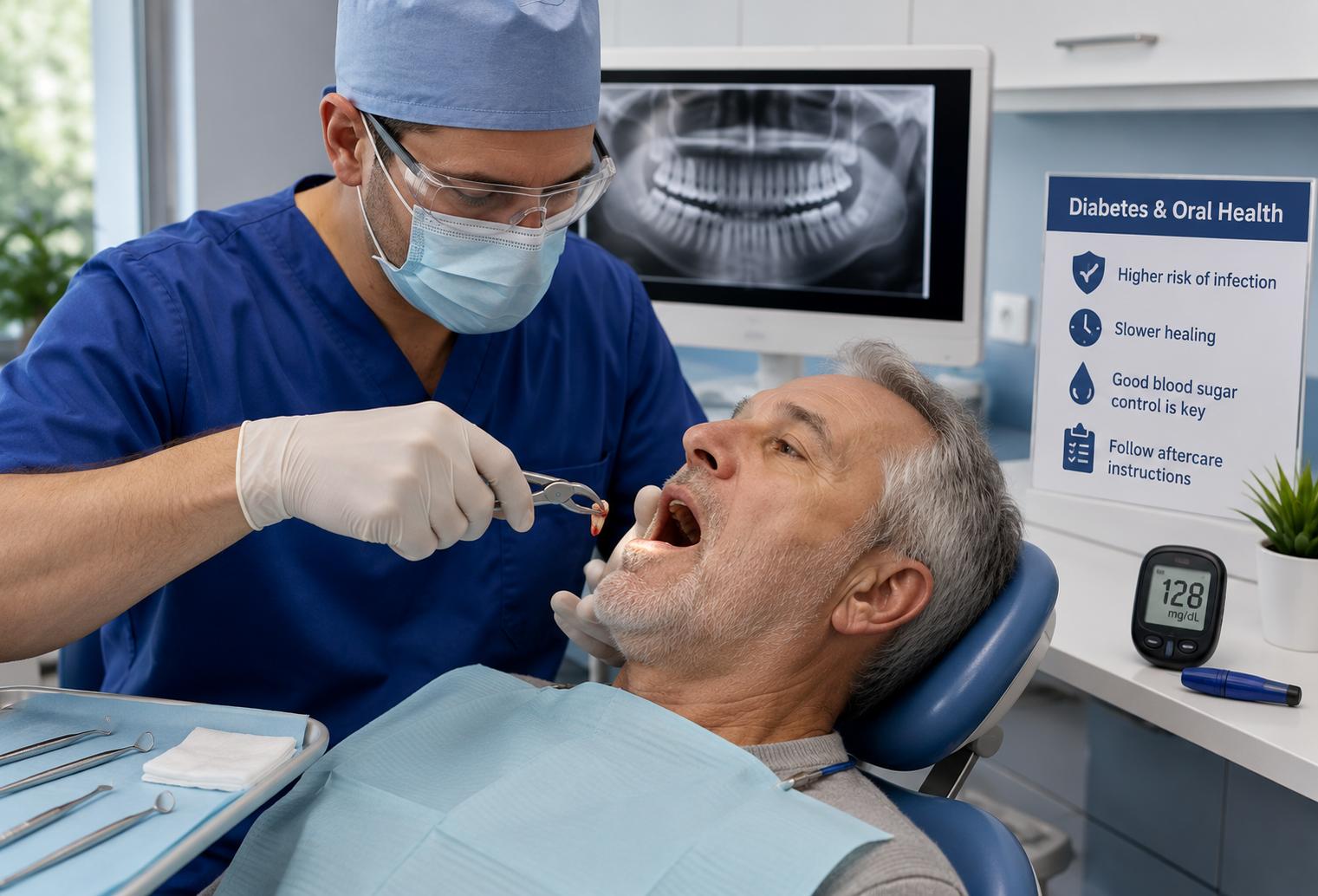
A tooth extraction is sometimes the best way to protect your oral health, but if you have diabetes, healing requires extra attention. For residents of Pocatello, ID, managing blood sugar before and after an extraction can make a significant difference in recovery, helping reduce the risk of infection and delayed healing.
Quick Answer
People with diabetes can heal successfully after a tooth extraction, especially when their blood sugar is well managed. The biggest risks include slower healing, infection, dry socket, and prolonged bleeding. Following your dentist’s aftercare instructions, maintaining stable glucose levels, and recognizing warning signs early can help support a smoother recovery.
What Local Readers Should Know
-
People with well-controlled diabetes generally experience fewer complications after tooth extraction than those with poorly controlled blood sugar.
-
Staying hydrated is especially important during Idaho’s dry climate, which can contribute to discomfort during healing.
-
Residents throughout Bannock County should schedule follow-up appointments if healing seems slower than expected.
-
Avoid smoking or using straws after an extraction because they increase the risk of dry socket.
-
Contact your dentist promptly if swelling, pain, or drainage worsens instead of improving.
Why This Matters Locally
Healing after a tooth extraction can be influenced by more than your overall health. The dry climate in southeastern Idaho can contribute to dry mouth, which may make the healing process less comfortable. Residents of Pocatello often travel from nearby communities such as Chubbuck, Inkom, American Falls, Blackfoot, and Soda Springs for dental care, making it important to understand when a routine recovery is progressing normally and when it requires professional attention.
SmileMakers Dental helps patients throughout the area understand how diabetes can affect healing and what steps can improve recovery. From this point forward, we focus on helping our patients prepare for extractions and recover with confidence.
Local Data or Field Observations
Professional organizations such as the American Diabetes Association and the American Dental Association recognize that diabetes can slow wound healing, particularly when blood sugar remains elevated. In our experience, patients who arrive with well-managed diabetes, follow aftercare instructions carefully, and communicate any concerns promptly often experience smoother recoveries than those who postpone treatment or struggle with glucose control.
Local Impact
Diabetes affects the body’s ability to heal wounds efficiently. After an extraction, this can mean the socket takes longer to close, leaving it vulnerable to bacteria for a longer period.
For local residents, delayed healing may interfere with work, school, family responsibilities, and enjoying outdoor activities around the Portneuf Valley. Prompt treatment and proper aftercare help minimize these disruptions while protecting long-term oral health.
Warning Signs
Healing problems after a tooth extraction often become noticeable within the first several days. Contact your dentist if you notice any of the following:
-
Pain that becomes worse after initially improving.
-
Persistent bleeding that does not slow with gentle pressure.
-
Increasing facial swelling after the second or third day.
-
Fever or chills.
-
Pus or foul-smelling drainage from the extraction site.
-
Difficulty opening your mouth that continues to worsen.
-
Exposed bone accompanied by severe pain, which may indicate dry socket.
-
Blood sugar levels that become unusually difficult to control after the procedure.
When to Call a Professional
Most discomfort after a tooth extraction is normal, but certain symptoms require prompt evaluation. Mild soreness, swelling, and slight bleeding during the first day are expected. However, worsening pain, signs of infection, uncontrolled bleeding, or delayed healing deserve professional attention.
If you have diabetes and notice changes that concern you, contacting your dental office early can often prevent more serious complications.
Common Local Causes
Several factors can increase healing risks after tooth extraction for diabetic patients.
Poor Blood Sugar Control
Elevated glucose levels reduce the body’s ability to fight infection and repair damaged tissue efficiently.
Existing Gum Disease
People with diabetes have a higher risk of periodontal disease, which can complicate healing after an extraction.
Tobacco Use
Smoking reduces blood flow to healing tissues and significantly increases the likelihood of dry socket.
Dry Mouth
The dry climate throughout southeastern Idaho, combined with diabetes or certain medications, can reduce saliva production and make healing less comfortable.
Delayed Treatment
Waiting too long to address an infected or damaged tooth often means more extensive inflammation before extraction.
Prevention and Maintenance
Preparing before your extraction can improve healing afterward.
Helpful steps include:
-
Work with your physician to keep blood sugar well controlled before the procedure.
-
Eat according to your dentist’s recommendations before and after treatment.
-
Take prescribed medications exactly as directed.
-
Keep the extraction area clean without disturbing the healing clot.
-
Stay hydrated, especially during warmer months in the Pocatello area.
-
Attend scheduled follow-up visits if recommended.
Avoid vigorous rinsing, smoking, drinking through straws, or strenuous exercise during the initial healing period.
Expected Results
Most diabetic patients heal successfully after tooth extraction with proper care. Healing may take slightly longer than it does for someone without diabetes, but following aftercare instructions and maintaining healthy blood sugar levels greatly improves the likelihood of a smooth recovery.
Your dentist will monitor healing if additional appointments are necessary.
Common Mistakes
Ignoring Blood Sugar
Consequence: Slower healing and higher infection risk.
Better Approach: Monitor glucose carefully before and after the procedure.
Smoking Too Soon
Consequence: Increased chance of dry socket.
Better Approach: Avoid tobacco during the recommended healing period.
Skipping Medications
Consequence: Infection or increased discomfort.
Better Approach: Take medications exactly as prescribed.
Waiting Too Long to Report Problems
Consequence: Small issues may become larger infections.
Better Approach: Contact your dentist when symptoms worsen instead of improve.
Common Local Scenario
A common situation involves a patient from Pocatello or a nearby community who delays removing a severely infected tooth because they worry about healing with diabetes. By the time treatment becomes unavoidable, the infection has progressed, making recovery more challenging. Early evaluation often allows treatment before complications become more serious.
Related Service Solutions
Several dental services may support healthier healing and long-term oral health.
Depending on your needs, your dentist may recommend:
-
Tooth extractions
-
Emergency dental care
-
Periodontal treatment
-
Restorative dentistry
-
Dental implants after complete healing
-
Preventive cleanings and ongoing oral health monitoring
Comparing Your Options
| Option | Advantages | Considerations |
|---|---|---|
| Monitor at Home | Appropriate for normal healing | Requires careful attention to symptoms |
| Professional Evaluation | Identifies complications early | May prevent more extensive treatment |
| Delay Treatment | Avoids immediate procedure | Infection and tooth damage often worsen |
| Early Extraction | Removes the source of infection | Requires proper aftercare for successful healing |
Service Areas
We proudly care for patients throughout Pocatello, Chubbuck, Inkom, Blackfoot, American Falls, Soda Springs, and surrounding communities across Bannock County and southeastern Idaho.
Cost of Ignoring the Issue
Ignoring healing problems after a tooth extraction can allow infection to spread, prolong discomfort, increase treatment costs, and delay future restorative procedures. Seeking evaluation early often leads to simpler, more effective treatment.
Frequently Asked Questions
Can diabetics safely have a tooth extraction in Pocatello?
Yes. Most people with diabetes can safely undergo tooth extraction when their blood sugar is reasonably controlled and they follow their dentist’s instructions before and after treatment.
Does diabetes make healing take longer?
Yes. Diabetes may slow healing because elevated blood sugar affects circulation and the body’s natural repair process. Good glucose control helps reduce this risk.
How can I lower my risk of infection after an extraction?
The best approach is to follow all aftercare instructions. Keep the area clean, take medications as directed, avoid smoking, and maintain healthy blood sugar levels throughout recovery.
Should I monitor my blood sugar more closely after my extraction?
Yes. Surgical procedures and healing can temporarily affect glucose levels. Monitor them as recommended by your healthcare provider and report unusual changes.
Is dry socket more common for diabetic patients in southeastern Idaho?
Dry socket is possible for anyone. Diabetes does not automatically cause dry socket, but delayed healing and smoking may increase the overall risk.
When should I call my dentist in Bannock County after an extraction?
Call promptly if pain worsens after several days, swelling increases, you develop a fever, bleeding continues, or you notice drainage from the extraction site.
Can I return to normal activities quickly?
Most people can resume light activities within a day or two. Follow your dentist’s recommendations regarding exercise and strenuous work while healing.
Will I be able to replace the extracted tooth later?
Yes. Many patients become candidates for bridges, partial dentures, or dental implants after the extraction site has healed completely.
Closing
Recovering from a tooth extraction with diabetes requires a little extra planning, but successful healing is achievable with proper care. Understanding the warning signs, following aftercare instructions, and seeking prompt attention for concerns can help protect both your oral health and your overall well-being.
Protect Your Smile While You Heal
We are committed to helping patients throughout Pocatello and the surrounding communities recover comfortably and confidently after tooth extractions.