

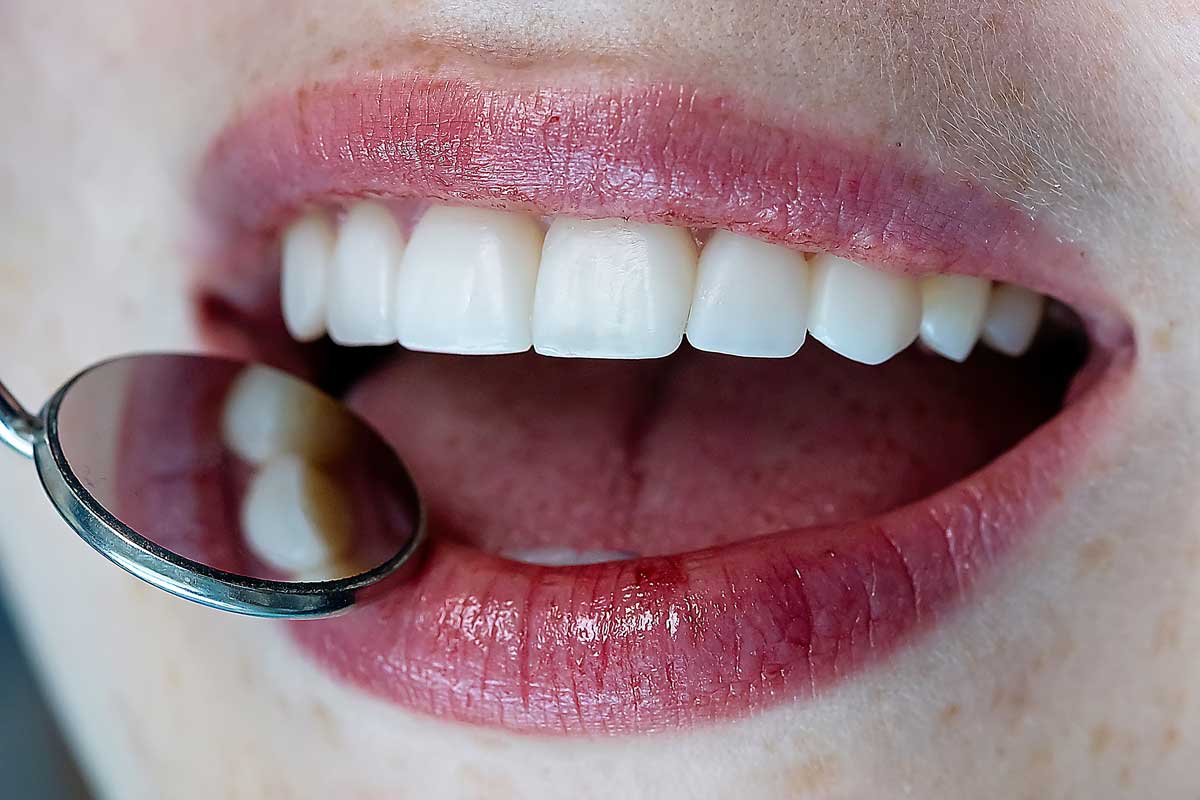
Losing a tooth can affect much more than your smile. For many people in Pocatello, a missing tooth starts a chain reaction that impacts chewing, speaking, confidence, and even the health of surrounding teeth. Whether the tooth was lost due to injury, decay, or gum disease, replacing it sooner rather than later can help protect your long-term oral health.
Quick Answer
Replacing missing teeth is important because it helps maintain proper bite alignment, supports jawbone health, restores chewing function, and reduces the risk of neighboring teeth shifting out of place. Delaying treatment may lead to additional dental concerns that become more complex and costly to address over time.
What Local Readers Should Know
- Missing teeth can allow nearby teeth to shift, making it harder to clean your smile and maintain a healthy bite.
- Bone loss begins soon after a tooth is lost because the jaw no longer receives stimulation from the tooth root.
- Residents throughout Pocatello and Bannock County often benefit from replacing missing teeth before additional complications develop.
- Modern tooth replacement options are designed to look natural while restoring everyday comfort and function.
- Early evaluation gives you more treatment choices than waiting until other oral health issues develop.
Why This Matters Locally
Replacing missing teeth is especially important for people throughout Pocatello because oral health affects daily life, from enjoying meals with family to speaking confidently at work or school. Whether you spend time hiking near City Creek, attending events at Idaho State University, or simply enjoying local restaurants downtown, healthy teeth play an important role in your quality of life.
At SmileMakers Dental, we help patients understand their options so they can make informed decisions that support lasting oral health. Our goal is to provide solutions that restore both function and confidence while helping protect the health of your remaining natural teeth.
Local Data and Professional Observations
According to the Centers for Disease Control and Prevention, tooth loss remains a common oral health concern among adults, often resulting from untreated decay or gum disease. Dental professionals also regularly observe that delaying tooth replacement frequently allows additional oral health problems to develop, including shifting teeth and bite changes.
In our experience serving patients throughout the Pocatello area, many people are surprised to learn how quickly the mouth begins adapting after a tooth is lost. Early treatment often provides more predictable long-term outcomes than waiting several years before seeking care.
How Missing Teeth Affect Your Oral Health
Replacing missing teeth helps preserve the health of your entire mouth, not just the space where the tooth is missing.
Jawbone Loss
Your tooth roots stimulate the jawbone every time you chew. Once a tooth is gone, that stimulation stops, and the surrounding bone gradually begins to shrink. Over time, bone loss may affect facial appearance and make future treatment more complex.
Teeth Shifting Out of Position
Neighboring teeth naturally drift toward empty spaces. This movement can create crooked teeth, uneven spacing, and bite problems that increase wear on your remaining teeth.
Difficulty Chewing
Even losing one tooth can change how you chew. Many people begin favoring one side of the mouth, placing additional stress on healthy teeth and jaw joints.
Increased Risk of Tooth Wear
When your bite changes, certain teeth absorb more pressure than they were designed to handle. This uneven force may contribute to fractures, worn enamel, or additional dental treatment later.
Speech Changes
Depending on the location of the missing tooth, pronunciation of certain sounds may become more difficult. Replacing the tooth often improves both function and confidence.
Warning Signs That You Should Consider Tooth Replacement
If you have lost a tooth, watch for these signs that it may already be affecting your oral health.
- Food frequently becomes trapped in the empty space.
- Nearby teeth appear to be moving or tilting.
- Chewing feels uneven or uncomfortable.
- Your bite no longer feels the same as it once did.
- You avoid smiling because of the missing tooth.
- You notice changes in your facial appearance.
- Jaw soreness develops during chewing.
When to Call a Professional
A missing tooth should be evaluated as soon as practical after healing from extraction or injury. While temporary healing is normal, persistent changes in your bite, discomfort, difficulty chewing, or noticeable shifting of nearby teeth deserve professional evaluation.
Regular dental examinations can determine whether surrounding teeth and bone remain healthy and identify which replacement options may be appropriate for your needs.
Common Causes of Missing Teeth
Several conditions commonly lead to tooth loss among adults.
Tooth Decay
Untreated cavities can eventually damage a tooth beyond repair.
Gum Disease
Advanced periodontal disease weakens the supporting structures that hold teeth in place.
Dental Injuries
Sports injuries, falls, and accidents may result in tooth loss even when the rest of the mouth appears healthy.
Cracked Teeth
Severe fractures sometimes make saving the natural tooth impossible.
Prevention and Maintenance
The best way to reduce tooth loss is through consistent preventive dental care.
Brush twice each day using fluoride toothpaste, floss daily, attend routine dental cleanings, and address small dental problems before they become larger concerns. Wearing a custom mouthguard during sports and a nightguard for teeth grinding, when recommended, can also help protect your smile.
If you have already lost a tooth, maintaining excellent oral hygiene around the area helps preserve surrounding tissues until replacement treatment is completed.
Expected Results After Replacing a Missing Tooth
Most patients experience improved chewing ability, a more balanced bite, and renewed confidence after replacing a missing tooth. Depending on the treatment selected, replacement can also help preserve jawbone structure and reduce additional movement of neighboring teeth.
Your dentist will explain realistic expectations based on your oral health, the number of missing teeth, and the condition of the surrounding bone.
Common Mistakes
Waiting too long before seeking treatment: Delaying replacement gives neighboring teeth more time to shift and allows additional bone loss to occur.
Choosing appearance over function: A replacement should restore both aesthetics and proper bite function.
Ignoring routine dental visits after treatment: Even replacement teeth require ongoing professional care and regular examinations.
A Common Local Scenario
A common situation involves someone who loses a back tooth but postpones treatment because the gap is not visible when smiling. Months or years later, chewing becomes more difficult, neighboring teeth begin shifting, and additional treatment may be needed before replacement can occur. Early evaluation often provides more treatment options and helps preserve existing oral structures.
Related Service Solutions
Several treatment options may be available depending on your individual needs.
- Dental implants
- Dental bridges
- Partial dentures
- Full dentures for patients missing multiple teeth
The right solution depends on your oral health, goals, bone support, and personal preferences. A comprehensive evaluation helps determine which option is most appropriate.
Comparing Your Options
| Option | Advantages | Considerations |
|---|---|---|
| Dental Implant | Helps support jawbone and functions similarly to a natural tooth | Requires adequate bone and treatment planning |
| Dental Bridge | Restores the gap without surgery | May involve neighboring teeth |
| Partial Denture | Replaces multiple missing teeth and is removable | Requires regular maintenance and adjustments |
Service Areas
We proudly serve patients throughout Pocatello as well as nearby communities including Chubbuck, Inkom, Fort Hall, American Falls, and other areas throughout Bannock County. Our goal is to provide personalized dental care close to home for families across Southeast Idaho.
The Cost of Waiting
Delaying tooth replacement can increase the likelihood of shifting teeth, bite changes, additional bone loss, and more complicated treatment needs in the future. Addressing a missing tooth early often helps preserve more treatment options while supporting better long-term oral health.
Frequently Asked Questions
How soon should I replace a missing tooth in Pocatello?
Replacing a missing tooth as soon as your dentist recommends can help reduce bone loss and prevent neighboring teeth from shifting. Every situation is different, so an evaluation determines the right timeline.
Can one missing tooth really affect my other teeth?
Yes. Even one missing tooth can gradually change your bite, increase pressure on surrounding teeth, and allow neighboring teeth to move into the empty space.
Are dental implants the only option?
No. Dental implants, bridges, and removable partial dentures are all possible solutions depending on your oral health and treatment goals.
Does replacing a tooth improve chewing?
Yes. Replacing a missing tooth often restores more balanced chewing, making meals more comfortable and reducing stress on remaining teeth.
Why is jawbone health important for people in Bannock County?
Healthy jawbone supports your teeth and facial structure. Preserving bone through appropriate treatment helps maintain long-term oral function regardless of where you live in the region.
Can I wait several years before replacing a missing tooth?
While treatment is still possible in many cases, waiting may reduce your options because of bone loss and shifting teeth. An evaluation helps determine the best approach for your situation.
Closing
Replacing missing teeth is about much more than appearance. Restoring your smile helps protect your remaining teeth, supports healthy jawbone structure, improves everyday function, and promotes better long-term oral health. If you have recently lost a tooth or have lived with a missing tooth for years, exploring your options today can help prevent additional complications tomorrow.
Restore Your Smile with Confidence
Our team is here to help you understand your options in a comfortable, welcoming environment.