

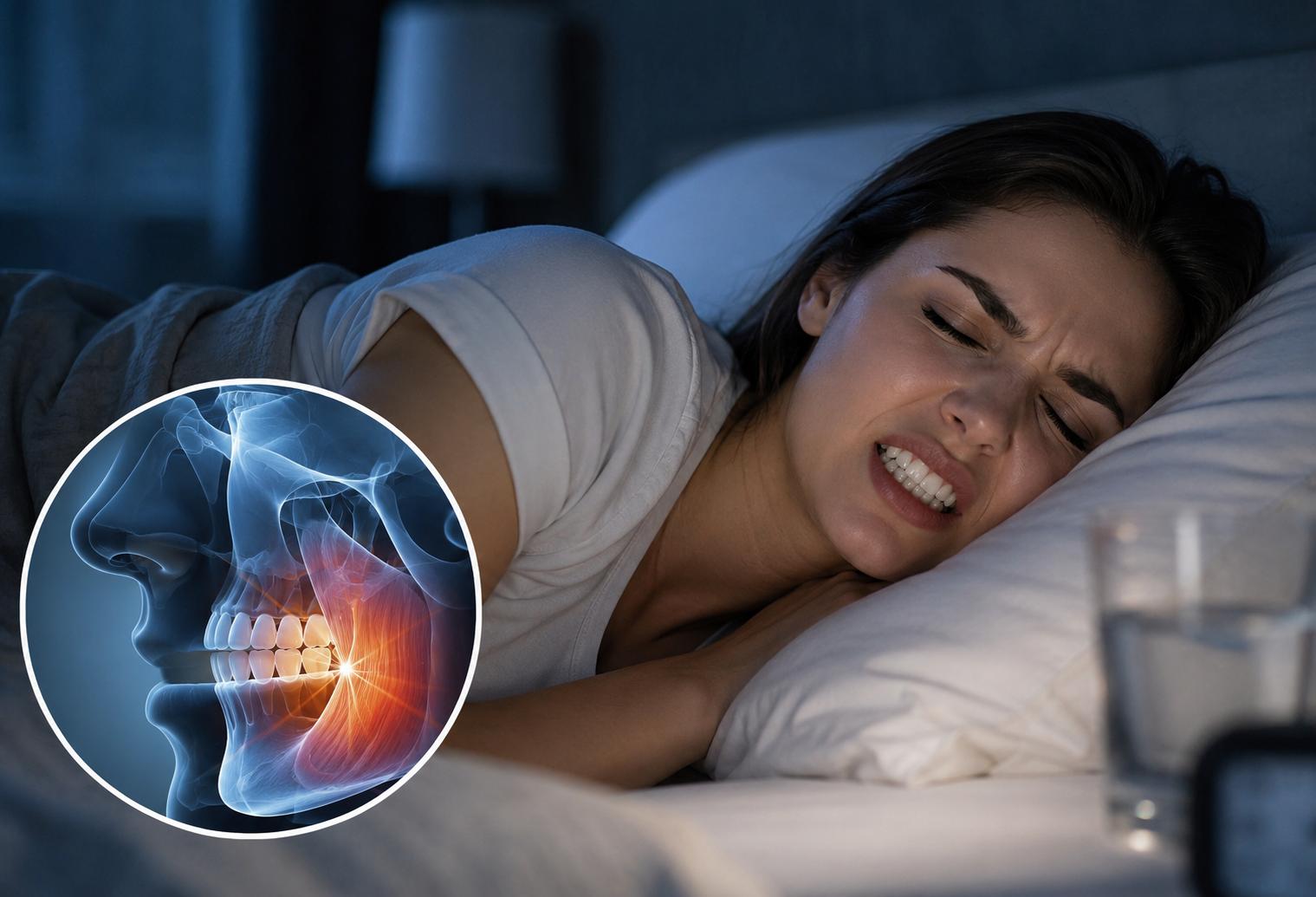
Waking up with a sore jaw, sensitive teeth, or a dull headache can make an otherwise normal morning in Pocatello start on the wrong note. The cause may be something happening while you sleep: nighttime teeth grinding, also called sleep bruxism.
Quick answer: Teeth grinding at night happens when you clench or grind your teeth during sleep, often without realizing it. Stress, sleep disturbances, certain medications, caffeine, alcohol, tobacco use, and other health factors may contribute. Frequent or forceful grinding can wear down enamel, damage dental work, and cause jaw or facial pain, so persistent symptoms deserve a dental evaluation.
What local readers should know
-
Morning jaw soreness, headaches, tooth sensitivity, and chipped or flattened teeth can all be warning signs of nighttime grinding.
-
A spouse or partner may notice grinding noises before you recognize any symptoms yourself.
-
Residents throughout Pocatello and Bannock County should not assume jaw pain is automatically caused by grinding because dental problems, TMJ disorders, and other conditions can cause similar symptoms.
-
Students at Idaho State University, working adults, and busy families may notice clenching more during stressful periods, although stress is only one possible contributor.
-
A night guard may protect teeth from grinding damage, but the appropriate treatment depends on what is causing the problem.
Why Does Teeth Grinding at Night Matter in Pocatello?
Teeth grinding matters in Pocatello because repeated nighttime pressure can gradually wear, chip, or fracture teeth and may contribute to jaw pain, headaches, sensitivity, and damage to existing dental restorations. The problem can be easy to miss because most people are asleep when the grinding occurs.
Living in southeast Idaho does not itself mean you are more likely to grind your teeth. Pocatello’s elevation, four-season weather, and dry climate are not established causes of bruxism. What matters more are individual factors such as stress, sleep quality, medications, habits, and certain health conditions.
For residents traveling between Historic Downtown Pocatello, the Idaho State University area, Highland, Alameda, and nearby Chubbuck, a busy schedule can also make subtle dental symptoms easy to postpone.
At SmileMakers Dental, we can evaluate teeth and supporting structures for signs that may be consistent with grinding and discuss appropriate next steps based on what we find.
What Do Dental Sources Say About Nighttime Teeth Grinding?
Dental and medical sources describe sleep bruxism as grinding or clenching that occurs during sleep and can sometimes cause significant dental or jaw symptoms. Mayo Clinic notes that signs can include flattened, fractured, chipped, or loose teeth, enamel wear, tooth sensitivity, tight jaw muscles, facial discomfort, headaches, and sleep disruption.
The American Dental Association also notes that people may not realize they grind their teeth until a dentist or dental hygienist recognizes characteristic wear or damage.
Nighttime grinding has also been associated with some sleep disorders. Mayo Clinic advises that people with suspected sleep-related problems may sometimes need evaluation by a sleep medicine professional in addition to dental care.
What Are the Warning Signs of Teeth Grinding?
Warning signs of nighttime teeth grinding include morning jaw discomfort, worn tooth surfaces, unexplained sensitivity, headaches, and dental damage that cannot be explained by an obvious injury. Because symptoms vary from person to person, a combination of several signs is often more useful than any single symptom.
Watch for:
-
A tired, tight, or sore jaw after waking
-
Dull headaches around the temples
-
Teeth that look flattened or unusually worn
-
New chips, cracks, or rough tooth edges
-
Increased sensitivity to hot or cold
-
Facial, neck, or jaw soreness
-
Clicking or discomfort around the jaw joints
-
Grinding or clicking sounds noticed by a sleeping partner
If these symptoms repeatedly show up after nights of sleep in your Pocatello home, documenting when they occur can provide useful information during a dental visit.
When Should You Call a Dentist About Teeth Grinding?
You should contact a dentist when grinding symptoms are persistent, painful, worsening, or accompanied by visible tooth damage, sensitivity, or difficulty using your jaw normally. A dental examination can help determine whether your symptoms appear related to bruxism or whether another dental or jaw condition may be responsible.
Mild, occasional jaw tension may be reasonable to monitor. Persistent pain, chipped teeth, worn enamel, loose dental work, or a jaw that does not move normally should not simply be ignored.
Residents of Pocatello, Chubbuck, and surrounding Bannock County communities can also mention snoring, interrupted sleep, or suspected breathing pauses during an appointment. Those details may be relevant because sleep bruxism can occur alongside sleep disorders, including sleep apnea.
What Commonly Causes Nighttime Teeth Grinding?
Nighttime teeth grinding does not have one universal cause, and current evidence suggests that physical, psychological, sleep-related, genetic, medication, and lifestyle factors may all play a role. Identifying the likely contributors is important because simply covering the teeth does not necessarily address why the grinding is happening.
Common factors include:
-
Stress and tension: Stress and anxiety can contribute to clenching or grinding in some people.
-
Sleep disturbances: Sleep bruxism may occur with brief sleep disturbances and can be associated with conditions such as sleep apnea.
-
Medications: Certain medications, including some used for mental health conditions, may contribute in some patients.
-
Caffeine, alcohol, and tobacco: These substances are recognized risk factors for bruxism.
-
Family tendency: Sleep bruxism appears to occur more often in some families.
-
Other health conditions: Some neurological, digestive, sleep-related, and behavioral conditions have been associated with bruxism.
Whether you live near Ross Park, the Portneuf River, Idaho State University, or elsewhere in the Gate City, determining the cause requires looking at your individual symptoms rather than assuming one explanation fits everyone.
How Can You Reduce Damage From Nighttime Grinding?
Reducing damage from nighttime grinding starts with identifying the problem, protecting vulnerable teeth when appropriate, and addressing contributing habits or health concerns. Home strategies can support treatment, but they should not replace an examination when grinding is causing pain, sensitivity, or visible tooth wear.
Helpful steps may include maintaining consistent sleep habits, reducing stress where possible, limiting stimulating drinks later in the evening, and noticing whether you also clench during the day.
Ask a spouse or partner whether they hear grinding noises during the night. You can also make a note of morning headaches, jaw tightness, and tooth sensitivity for several days.
A dentist may recommend a properly fitted night guard or splint for some patients. These appliances separate the upper and lower teeth to help protect them from damage, although they do not necessarily stop the underlying grinding behavior.
What Results Can You Expect From Treatment?
Treatment for nighttime grinding is generally aimed at protecting teeth, reducing discomfort, and managing contributing factors rather than promising that grinding will permanently stop. Some people need only monitoring, while others may benefit from a dental appliance, treatment of damaged teeth, behavior changes, or evaluation of an underlying sleep or health concern.
If tooth wear is already significant, additional dental treatment may be necessary to restore damaged surfaces or address sensitivity and function.
For local patients, the goal is a realistic plan based on what is actually happening in the mouth. Regular dental examinations also give us an opportunity to watch for changes over time rather than relying only on how the jaw feels on a particular morning.
What Mistakes Should Pocatello Residents Avoid?
The most common mistakes with nighttime teeth grinding are ignoring recurring symptoms, assuming every sore jaw is bruxism, and relying on a one-size-fits-all solution without determining what is causing the problem. A better approach is to monitor symptoms and seek an evaluation when they persist.
Mistake: Waiting until a tooth breaks.
Consequence: Ongoing grinding can continue to wear enamel or stress dental restorations.
Better approach: Mention recurring sensitivity, jaw soreness, or visible wear during a dental visit.
Mistake: Assuming a store-bought guard solves the cause.
Consequence: A guard may provide some protection without addressing sleep, health, or behavioral factors.
Better approach: Ask whether an appliance is appropriate for your particular bite and symptoms.
Mistake: Treating every jaw ache as grinding.
Consequence: Other dental conditions or TMJ problems may go unrecognized.
Better approach: Have persistent or unexplained pain evaluated.
What Is a Common Local Teeth-Grinding Scenario?
A common local scenario is a Pocatello resident who notices morning jaw tightness for several weeks but assumes it comes from sleeping awkwardly or having a stressful schedule. Later, a partner mentions hearing grinding at night, or the person begins noticing new tooth sensitivity.
That combination does not automatically confirm bruxism, but it provides a good reason for a dental examination.
During an evaluation, a dentist may look for unusual wear patterns, damaged restorations, tenderness, changes in jaw movement, or other possible explanations. The findings help determine whether monitoring, protection, restorative care, or referral for another type of evaluation is appropriate.
What Dental Solutions May Help With Teeth Grinding?
Dental solutions for teeth grinding may include monitoring, a protective night guard or splint, and treatment for teeth that have already been damaged, depending on the severity of the findings. The right option should be based on an examination rather than chosen solely from symptoms.
A custom dental appliance may be recommended to keep upper and lower teeth separated while sleeping. If grinding has already caused substantial wear, sensitivity, or difficulty chewing, restorative treatment may also need to be considered.
If your symptoms suggest a sleep disorder or another health condition, dental care may be only one part of the next step.
How Do Your Options Compare?
DIY monitoring can help identify patterns, while professional evaluation is more appropriate when symptoms continue or there are signs of tooth damage. Neither approach has to be complicated, but knowing when to move from observation to professional care can prevent unnecessary delay.
For occasional tension without tooth damage, tracking symptoms, improving sleep habits, and reducing known triggers may be reasonable.
For recurring headaches, jaw pain, sensitivity, chipped teeth, worn enamel, or damaged dental work, a dental examination provides information that home monitoring cannot. A dentist can examine the teeth, bite, jaw muscles, and restorations and decide whether additional testing or referral is appropriate.
What Areas Do We Serve?
We help patients in Pocatello and can discuss dental concerns with people from nearby communities seeking care in the area. That may include residents of Chubbuck and other parts of Bannock County who are dealing with unexplained tooth wear, jaw discomfort, or nighttime grinding concerns.
Our focus is helping patients understand what their symptoms may mean and what options are appropriate after an examination.
What Can Happen If You Ignore Frequent Grinding?
Ignoring frequent or forceful teeth grinding can allow enamel wear, sensitivity, fractures, restoration damage, and jaw discomfort to progress over time. Not every person who grinds needs treatment, but persistent symptoms are worth assessing before a small problem becomes more difficult to manage.
A chipped edge or occasional morning headache may seem minor, especially during a busy week. If the same symptoms keep returning, however, they can provide useful early clues.
FAQ About Teeth Grinding in Pocatello
Can a dentist tell if I grind my teeth at night?
A dentist can often identify signs that are consistent with grinding, although tooth wear alone does not always prove the cause. During an exam, the dentist may look for flattened or damaged teeth, worn enamel, restoration damage, jaw tenderness, and changes in movement, then consider your symptoms and sleep history.
Is stress a common reason for teeth grinding in Pocatello?
Stress can contribute to teeth grinding, but it is not the only possible reason Pocatello residents may develop bruxism. Sleep disturbances, medications, caffeine, alcohol, tobacco use, family history, and certain health conditions can also play a role. An evaluation helps avoid assuming that stress explains every case.
Can teeth grinding cause headaches?
Yes, frequent clenching or grinding can be associated with dull headaches, particularly around the temples. Mayo Clinic lists this type of headache among possible bruxism symptoms. Because headaches have many potential causes, residents in Bannock County should seek appropriate medical or dental evaluation when headaches are new, severe, persistent, or unexplained.
Do I need a night guard if I grind my teeth?
Not everyone who grinds needs a night guard, but a dentist may recommend one when protecting the teeth from ongoing clenching or grinding is appropriate. A night guard can separate the teeth and reduce direct wear. It does not automatically eliminate the underlying reason a person grinds.
Can nighttime grinding damage crowns or fillings?
Yes, severe or repeated grinding can place stress on fillings, crowns, and other dental restorations as well as natural teeth. Mayo Clinic identifies damage to dental repairs as a possible complication of severe bruxism. If a restoration suddenly feels different or breaks, arrange a dental evaluation rather than continuing to chew on it normally.
Should Pocatello residents mention snoring along with teeth grinding?
Yes, mentioning snoring, interrupted sleep, or observed breathing pauses can give your dentist important context when discussing nighttime grinding. Sleep bruxism can occur alongside sleep-related disorders. Depending on your symptoms, a dentist or healthcare professional may recommend further evaluation by a qualified sleep medicine provider.
Can children grind their teeth at night?
Yes, children can grind their teeth, and many eventually outgrow the habit without developing serious problems. Parents in Pocatello or Chubbuck who hear frequent grinding or notice tooth damage, jaw complaints, or other concerning symptoms should mention them at the child’s dental appointment so the situation can be evaluated individually.
Can I stop nighttime grinding on my own?
Some habits may help reduce contributing factors, but you cannot reliably determine or treat every cause of sleep bruxism on your own. Consistent sleep, stress management, and limiting certain evening stimulants may help some people. Persistent pain, tooth wear, sensitivity, or dental damage warrants a professional examination.
Protect Your Smile From Ongoing Grinding
Nighttime grinding is often manageable once you recognize the signs and determine whether your teeth need protection. If you are waking with jaw soreness, headaches, sensitivity, or noticing new wear on your teeth, we can help you understand what may be happening and discuss appropriate next steps.
Get Answers About Nighttime Teeth Grinding in Pocatello
You do not have to guess whether nighttime grinding is affecting your teeth.